
Survive 60 Seconds: U.S. Active Assailant Response With CVPSD Training

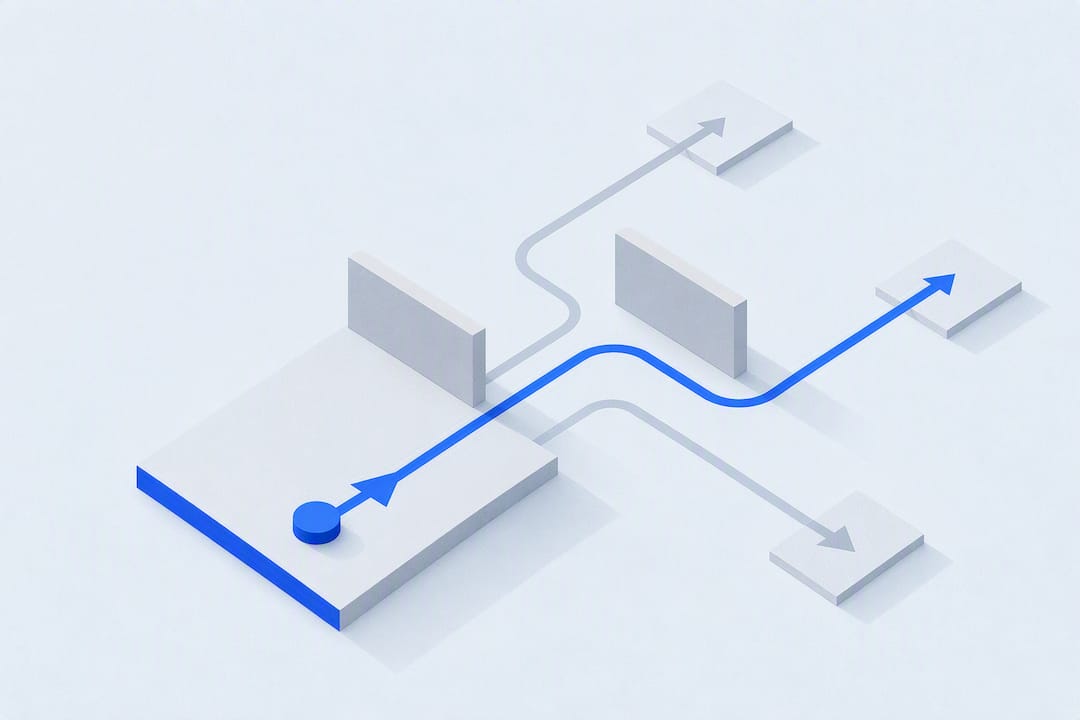
Run. Hide. Fight. In that order, if you can. The moment you recognize an active assailant threat, your job is to get away, then get out of sight and out of reach, and only fight back as a last resort. Once you’re safe or sheltered, control any severe bleeding immediately, because it can kill in minutes, and call 911 the moment it’s safe to do so. Then follow whatever officers tell you when they arrive.
Executive Summary
Knowing two exits from each regular space and keeping emergency supplies accessible can significantly improve survival chances during an active attack.
Running is the primary response; hiding becomes necessary if escape isn’t possible, and fighting is a last resort only if immediate life threat persists.
Applying pressure or tourniquets promptly to severe wounds can save lives within minutes, often before emergency services arrive.
Responding officers will focus on threat neutralization, so keeping hands visible and following commands is crucial for safety during police arrival.
Regular, hands-on training builds the reflex to act effectively under stress and bridges the gap between awareness and real-world execution.
Table of Contents
How Can You Prepare for an Active Assailant Response Before It Happens?
Preparedness is not paranoia. It’s the difference between freezing and moving when seconds count. The Active Shooter Preparedness Action Guide from CISA makes a point that deserves repeating: these incidents are dynamic and unpredictable, so the goal of preparation isn’t memorizing a script. It’s building the judgment to act fast under pressure.
Start small and personal:
Know at least two exits from every room you spend time in regularly, not just the one you walked in through.
Keep your phone and keys within reach, not buried in a bag under your desk.
If your workplace allows it, keep a basic go-bag with a compact tourniquet and gauze at your desk or in your vehicle.
Then look outward. Ask your employer, school, or place of worship whether an Emergency Action Plan exists for active assailant scenarios. CISA’s EAP template and instructional guide are free, tailorable, and built specifically so organizations don’t have to start from a blank page. If no EAP exists, that gap is worth raising with leadership directly.
Sign up for Stop the Bleed training and practice basic situational awareness drills, even informally. Mental rehearsal matters more than people expect. CVPSD’s Situational Awareness Opportunity Curve breaks down why the seconds before an incident often decide the outcome of the seconds during it.
Pro Tip: Walk your usual spaces once a month and consciously name your exits out loud, even under your breath. It sounds small, but it trains your brain to retrieve that information automatically under stress instead of searching for it.

What Are the Exact Steps for Run, Hide, and Fight?
The FBI’s Run. Hide. Fight. training frames these as sequential options, not a menu. Run first if you possibly can. Hide if running isn’t safe. Fight only when neither option exists.
Run means leaving immediately by the fastest safe route. Don’t stop for your laptop, your coat, or your coffee. Keep your hands visible as you move, since that helps both bystanders and eventually officers recognize you as someone fleeing, not a threat. Warn others in your path if you can do it without slowing down, but don’t let warning others cost you your own exit.
Hide applies when evacuation isn’t possible. Get into a room, lock or barricade the door with whatever is available (desks, filing cabinets, doorstops), and turn off lights. Understand the real difference between cover and concealment: a wall stud or a filing cabinet full of paper might hide you, but it won’t stop a bullet. CVPSD’s breakdown of cover versus concealment is worth reading before you ever need it. Spread people out across the room instead of huddling together under one desk. A cluster is one target; dispersed occupants force an assailant to work harder and give more people options if the situation changes. Silence phones completely, not just to vibrate, and keep an eye on a second exit route in case the primary one becomes blocked.
Fight is the last resort, used only when your life is in immediate danger and no other option remains. If you commit to fighting, commit fully. Use whatever is at hand, a fire extinguisher, a chair, a laptop, and aim for vulnerable areas like eyes or throat. Acting with others, if there are others nearby, dramatically improves the odds; a coordinated, chaotic response is harder for an assailant to control than an individual one.
When you have only seconds to choose, run through this quickly:
Is there a clear, unobstructed path to an exit? If yes, run.
Is there no safe path out? Find a room, lock it, disperse, and hide.
Is the assailant already in the room with no way to escape? Fight, and fight to end it.
The FBI’s guidance also stresses that fight is genuinely a last resort, not a first instinct, and that framing matters because instinct under stress often pushes people toward freezing or fighting too early.
How Do You Stop Life-Threatening Bleeding in the First Minutes?
Uncontrolled bleeding can kill in about five minutes, a fact both Stop the Bleed guidance and FBI training treat as the single most urgent medical reality of an active assailant event. That’s faster than most ambulances can arrive, which means the person standing closest to a wound is often the only chance that wound gets treated in time.
The steps are simple enough to perform under stress:
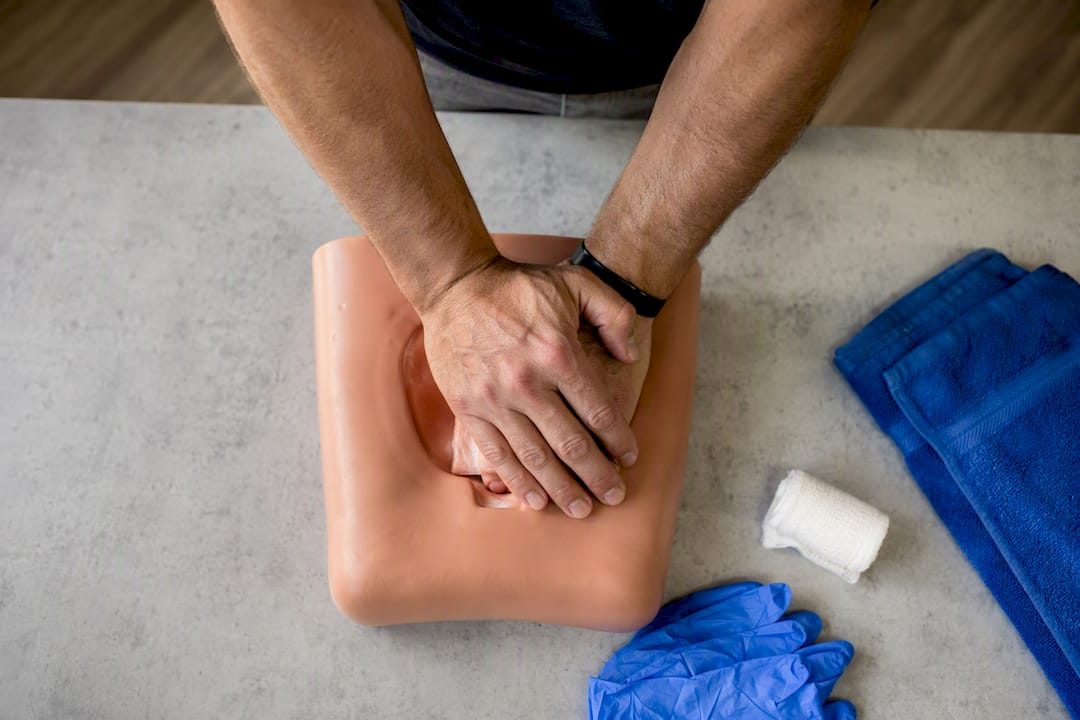
Apply firm, direct pressure to the wound with whatever clean material is available, even a shirt or jacket.
If bleeding continues and the wound is deep, pack it with gauze or cloth, pressing it directly into the wound, not just over it.
For a limb wound that won’t stop with pressure, apply a tourniquet high and tight, two to three inches above the wound, and tighten until bleeding stops. Note the time it went on.
Pro Tip: A tourniquet applied too loosely is worse than none at all, since it can increase bleeding. Tighten it until the person tells you it hurts, or until the bleeding visibly stops. Pain is a sign it’s working.
Only attempt this once the immediate danger has passed or you’re in a secure hiding location. If the scene is still active, wait. Delegate: one person applies pressure, another calls for help, another watches the door.
What Should You Do When Officers Arrive?
Responding officers won’t know who the assailant is on sight, which means your behavior in those first moments matters as much as your safety instincts did earlier. Their primary objective is neutralizing the threat, not administering aid, so expect them to move past injured people initially. That’s not neglect; it’s triage at the scene level.
What to do:
Keep your hands empty and visible at all times, above your head or open in front of you.
Follow every command immediately, even if it seems rough or confusing in the moment.
Never approach officers on your own; let them approach you.
If you disarmed the assailant, put the weapon down out of sight, such as in a drawer, and make your hands visible immediately. Identify yourself clearly if asked.
Officers moving quickly past you toward the threat is expected behavior, not a mistake.
What Happens After the Immediate Threat Ends?
Once the scene is secure, the work shifts from survival to recovery, and both matter. Get any injured person handed off to EMS as soon as they arrive, and stay out of the way unless directed otherwise.
Preserve the scene as much as possible. Don’t move items, don’t clean anything up, and be ready to give investigators a clear, factual account of what you saw and heard.
Note down details while they’re fresh: what you heard, saw, and did, including timestamps if you can recall them.
Ask about psychological first aid resources; shock and delayed stress reactions are normal, not a weakness.
Push for an after-action review at your organization within weeks, not months, while details are still sharp.
Pro Tip: Write down what you remember within the first hour, even in fragments. Memory of high-stress events degrades fast, and your notes could matter to investigators later. A guide to post-conflict procedures walks through this in more depth.
Where Does Hands-On Training Fit Into This Plan?
Reading about Run, Hide, Fight builds awareness. Practicing it builds reflex, and the gap between the two is exactly where CVPSD works.
Instructor-led and self-paced training is available for organizations that want their teams to move past the theory:
Team-based active assailant response drills tailored to a specific workplace layout.
Stop the Bleed instruction with hands-on tourniquet and wound-packing practice.
Behavioral threat assessment integration, so prevention isn’t separated from response.
Self-paced resources work well for individual awareness. Instructor-led sessions matter more when the goal is muscle memory and organizational coordination, particularly for schools, healthcare facilities, and workplaces required to demonstrate compliance with safety expectations.
What you need | Best-fit option |
Personal awareness and quick reference | Self-paced online course |
Staff-wide drill coordination | Instructor-led, on-site training |
Compliance documentation | CVPSD consulting and EAP integration support |
An Editorial Take on Where Active Assailant Preparedness Falls Short
Most active assailant guidance stops at Run, Hide, Fight and calls it complete. That’s a mistake. The framework tells you what to do; it says nothing about what to do with your hands once the immediate danger passes, and that gap is where people bleed out waiting for help that’s still minutes away.
The research here is consistent on one point that gets underweighted: hemorrhage control isn’t a specialized skill reserved for medics. It’s something a bystander with fifteen minutes of training can perform well enough to save a life. Yet most workplace safety programs treat Stop the Bleed as an optional add-on instead of a core component sitting right next to evacuation drills.
The other overlooked piece is decision-making under stress, not the steps themselves. CISA’s own guidance emphasizes that these situations are unpredictable, which means training built around rigid scripts will fail exactly when it’s needed most. What actually holds up is practiced judgment, built through repetition, not memorization. If your organization has an EAP sitting in a folder nobody has drilled, that plan offers a lot less protection than it appears to.
— Shawn Lebrock
Get Hands-On Active Assailant Response Training With CVPSD
CVPSD is the practical next step for anyone who has read this far and realized that knowing the steps and being able to execute them under stress are two different skills. As a 501©(3) nonprofit, CVPSD builds evidence-based training in crisis intervention, de-escalation, Stop the Bleed instruction, and behavioral threat assessment for schools, healthcare organizations, corporations, and community groups.
Unlike a one-time policy document sitting in a shared drive, Instructor-led drills help turn Run, Hide, Fight and hemorrhage control into muscle memory your team can access under real stress. Programs can be built to meet state and local requirements, and sessions tailored to an organization’s actual facility layout. For a custom safety program or to build a real Emergency Action Plan around CISA’s framework, request a training consultation to get a plan built around how your people actually move through their space.
This article is general information, not a substitute for advice from a qualified doctor. Consult a qualified healthcare professional about your own circumstances before acting on anything here.
Sources
FAQ
What Does “Run, Hide, Fight” Mean in an Active Assailant Response?
It’s a decision framework from the FBI: evacuate if you can (Run), secure and conceal yourself if you can’t (Hide), and only physically resist as a last resort (Fight).
How Long Does It Take to Die From Uncontrolled Bleeding?
Severe, uncontrolled bleeding can be fatal in roughly five minutes, which is why immediate direct pressure or tourniquet application often matters more than waiting for EMS.
Where Should a Tourniquet Be Placed?
Place the tourniquet above the wound and tighten until the bleeding stops completely, noting the time it was applied.
What Should I Do When Police Arrive at the Scene?
Keep your hands empty and visible, follow every command immediately, and never approach officers on your own; their first priority is neutralizing the threat.
Does My Organization Need a Written Emergency Action Plan?
Yes. CISA’s EAP product suite provides a free, tailorable template, and organizations like CVPSD can help translate that template into a drilled, site-specific plan.
Recommended
About the Author: William DeMuth is the Director of Training at the Center for Violence Prevention and Self Defense (CVPSD) in Freehold, NJ. With over 35 years of research in violence dynamics and personal safety, William specializes in evidence-based training that bridges the gap between compliance and real-world conflict resolution. The architect of the ConflictIQ™ program, he holds advanced certifications and has trained under diverse industry leaders. Today, he actively trains civilians, hea


